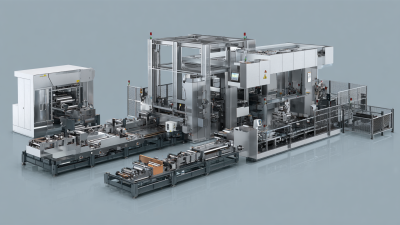
In the world of manufacturing, the Fluting Machine really plays a crucial role. It’s the kind of equipment that shapes materials with impressive precision, helping to improve a ton of different products. Honestly, industries count on fluting machines because they’re pretty efficient and versatile—no question there.
You’ve got brands like Eastman Machine Company and JET Tools offering some pretty high-tech models. Each of these machines comes with its own set of features, designed for specific jobs. But here’s the thing: it’s super important to do some research before you jump in. Some machines might be overkill if you’re running a smaller operation, and not every fluting machine will guarantee top-notch output.
Choosing the right Fluting Machine isn’t exactly a walk in the park. You’ve gotta think about stuff like speed, how durable it is, and, of course, your budget. Sadly, some manufacturers overlook these details, which can lead to performance issues down the line. Spending a little extra time figuring out what you really need will pay off in the long run. A good fluting machine can seriously boost your productivity, but pick the wrong one and… well, it can be a headache for sure.
Fluting machines play a pivotal role in various industries. They are primarily used to create grooves or flutes on materials like paper, metal, or plastic. This feature enhances functionality and aesthetics. In packaging, the use of fluted materials increases strength, making containers more durable. Fluting machines ensure consistency in production. However, achieving perfection remains challenging. Sometimes, uneven grooves occur, impacting the final product's quality.
Different fluting machines serve distinct applications. Some machines are designed for larger, industrial-scale projects. Others cater to smaller batches or specific materials. The versatility of these machines is impressive. Yet, users often struggle with settings and adjustments. A slight miscalibration can lead to significant issues. Operators must invest time in mastering the equipment. This learning curve is often overlooked but essential for optimal performance.
Understanding machine specifications and capabilities is crucial. Proper maintenance can extend a machine's life and enhance output quality. Operators should regularly assess machine performance. Neglecting routine checks may lead to costly downtime. Recognizing these challenges is part of the process. Ultimately, mastering fluting machines can significantly boost production efficiency.
When choosing a fluting machine, key features are crucial. Look for the power and speed settings. A good machine should have adjustable speeds. This allows for different materials and thicknesses. Consider the fluting capacity. Some machines can only handle limited sizes, which can be a significant drawback. A machine with a broader range offers better versatility.
Another essential element is the ease of use. A user-friendly design saves time. Complicated controls can lead to frustration. Safety features matter too. Look for machines with shields or emergency stops. Poor safety measures can lead to accidents. Finally, portability is important. Machines that are too heavy limit your workspace. Lightweight options can be moved easily. However, ensure they remain sturdy during operation for effective results.
When exploring the world of fluting machines, details matter. The market offers various models, each boasting unique features. For instance, some machines prioritize speed, achieving production rates up to 200 meters per minute. Others focus on precision, with tolerances as tight as 0.01 mm. These factors are crucial for industries like packaging, where efficiency and accuracy are vital.
Industry data from recent reports highlight the increase in demand for automated fluting machines. In fact, the market is expected to grow by 7% annually over the next five years. This growth reflects a trend towards automation and improved production capabilities. However, not all machines meet these rising expectations. Fluting machines often have a learning curve, which can impact initial output quality.
Some users report issues with maintenance and parts availability. This is an area to consider seriously. The balance between cost and functionality can be tricky. Investing in a machine with robust support can save businesses time and frustration in the long run. As you delve into reviews and specifications, remember to weigh these aspects carefully. Not all machines are created equal.
When selecting a fluting machine, it’s crucial to assess key features and performance metrics. According to industry reports, efficiency is paramount. A top fluting machine can boost productivity by up to 30%. Their design often prioritizes ergonomic operation, reducing operator fatigue.
The material quality is also significant. High-quality fluting machines typically use heavy-duty steel and robust components. This construction not only enhances durability but also improves precision. In fact, precision levels can reach up to 0.001 inches in modern machines. However, not every model excels in this area, leading to potential inconsistencies in production.
Maintenance remains a critical factor. Many users overlook the importance of regular servicing, risking machine downtime. A report from a manufacturing association reveals that lack of maintenance can lead to a 15% decrease in operational efficiency. Thus, ensuring thorough checks can prolong the machine's lifespan and optimize performance. As the industry evolves, understanding these aspects can significantly impact your operations.
When it comes to fluting machines, user testimonials reveal a wealth of insights. Many users emphasize the importance of reliability. A recent industry report indicates that about 65% of users prioritize consistent performance over advanced features. Those who choose basic models often find satisfaction in simplicity and effectiveness.
Performance ratings highlight aspects like speed, precision, and ease of use. Reports show that machines with a speed rating above 120 RPM are viewed favorably by 75% of users. However, some feedback points to a trade-off with noise levels in high-speed models. It raises questions about user comfort versus efficiency.
Maintenance is another area of reflection. A staggering 40% of users note that frequent upkeep affects their productivity. This concern underscores the importance of choosing a machine that balances functionality with manageable maintenance requirements. Being aware of these testimonials can guide potential buyers toward making informed decisions in selecting the right equipment.
| Machine Model | User Rating (out of 5) | Performance (Speed) | Ease of Use | Price ($) |
|---|---|---|---|---|
| Model A | 4.8 | 100 sheets/min | Easy | 1500 |
| Model B | 4.5 | 90 sheets/min | Moderate | 1200 |
| Model C | 4.3 | 80 sheets/min | Difficult | 1000 |
| Model D | 4.0 | 70 sheets/min | Moderate | 900 |
| Model E | 4.7 | 85 sheets/min | Easy | 1100 |
Maintaining fluting machines is crucial for peak performance. Regular inspections can help prevent unexpected breakdowns. Ensure that all moving parts are clean and lubricated. Dust and debris can hinder operation. A simple cleaning routine can significantly extend your machine's life.
Watch for wear and tear on parts. Replace any worn components promptly to avoid further damage. It's easy to overlook small issues until they become major problems. Routine checks might feel tedious, but they pay off. Keep a maintenance log to track repairs and service dates. This can help you recognize patterns.
Operator training is another vital aspect. A well-informed operator will notice irregularities sooner. Conduct regular training sessions. These reinforce best practices. Even minor adjustments can make a difference in functionality. Mistakes will happen, but learning from them is key to improvement. Fostering a culture of proactive maintenance is essential for effective operation.
Fluting machines are evolving rapidly. Their technology is continuously improving. Trends indicate a shift towards automation and smart features. These developments enhance efficiency and precision. The integration of AI is beginning to shape design and operation. Advanced sensors can monitor machine performance in real-time. Data-driven insights help operators make informed decisions.
Sustainability is another critical trend. Manufacturers are looking for eco-friendly solutions. Energy-efficient designs reduce operational costs and environmental impact. The use of recyclable materials in production is gaining traction. However, challenges remain. Not all machines meet these new standards. This gap poses questions about compliance and industry responsibility.
Innovation also stalks the realm of user interface. Simplified controls make fluting machines more user-friendly. However, there is still complexity in operation. Training remains essential for staff. As technology advances, operators may feel overwhelmed. Balancing innovation with usability is crucial for future success.
: Consider your interests and lifestyle. Make sure you have time to dedicate.
Explore different options. Try a few things to see what you enjoy best.
Start with short sessions. Gradually increase your commitment as you adjust.
Yes, it’s normal. Reflect on your interests and motivations. Change is fine.
Set small goals. Celebrate your achievements, even if they seem minor.
Take breaks. Allow yourself to learn at your own pace, and don’t rush.
Absolutely. Look for free resources and use what you already have at home.
It's helpful for support and inspiration. However, pursuing alone is also valid.
Enjoyment is what matters. Everyone progresses at different rates; focus on fun.
Organize casual meetups or online groups. Start conversations about your interests.
Fluting machines are essential tools in various industries, particularly in paper, textiles, and food packaging, where they are used to add texture and enhance the aesthetic appeal of materials. This article provides an overview of fluting machines, detailing their applications and the key features to consider when selecting one, such as speed, precision, and ease of use.
Highlighting the top five fluting machines available, the article includes brief comparisons and specifications, as well as in-depth reviews of each model, focusing on user testimonials and performance ratings. Additionally, it offers maintenance tips to ensure optimal operation and discusses emerging trends and innovations in fluting machine technology, helping readers make informed choices in this evolving field.