0%

The Offset Press Machine is really a cornerstone of modern printing — everyone in the industry pretty much relies on it. It’s known for its efficiency and top-notch print quality. Basically, it works by transferring ink from a plate onto a rubber blanket, and then onto the paper or whatever the printing surface is. This process has totally changed the game when it comes to how we produce printed materials. One of the coolest things about it is that it can handle large print runs while keeping the colors looking nice and consistent—that’s why so many commercial printers and publishers swear by it.

If you’re in the printing world, getting how an Offset Press works is pretty important. Its design and features let you do all sorts of jobs—everything from newspapers and magazines to packaging and marketing stuff. The more you understand how this machine ticks, the better you can appreciate how it helps make the whole production process smoother and improves the final quality. As we dig into how the Offset Press actually works, we’ll talk about all its advantages, the tech behind it, and why it’s still such a vital tool for printers everywhere.

What is an Offset Press Machine and How Does It Work in Printing

What is an Offset Press Machine?

An offset press machine is a widely used printing technology that operates on the principle of transferring ink from a plate to a rubber blanket, which then applies it to paper. This technique is particularly favored for its ability to produce high-quality prints in large volumes consistently. Offset printing is characterized by its efficiency in reproducing fine details and vibrant colors, making it ideal for producing everything from newspapers to brochures and packaging materials.

Tips: When working with an offset press, it’s crucial to ensure that the ink has the right viscosity to achieve optimal print quality. Make sure to conduct regular maintenance on the press to avoid downtimes and ensure consistency in your production runs. Additionally, consider the paper type and finish, as these can significantly impact the final appearance of the printed material.

The offset printing process begins with the creation of a printing plate, usually made of aluminum, which retains the image to be printed. The ink is then evenly distributed across the plate, and the non-image areas repel ink. This indirect method of printing allows for precise and clean images, reducing the chance of smudging. Offset presses can easily handle a variety of media sizes and types, contributing to their popularity in commercial printing.

Tips: Always conduct a test print before a full run to check for any necessary adjustments in color or alignment. This practice helps to minimize waste and ensures that the final product meets your expectations. Investing in quality materials for both ink and paper can also contribute greatly to the vibrancy and longevity of printed pieces.

History and Development of Offset Printing Technology

The history of offset printing technology dates back to the early 20th century, with its origins rooted in lithography. Initially developed in the late 19th century, lithography allowed for direct image transfer from a flat surface. However, the first functional offset press appeared in 1904, when Ira W. Rubel discovered that oil-based ink could be transferred from a plate to a rubber blanket and then onto the substrate, creating a new method of printing that improved image quality and speed.

Over the decades, the offset printing process underwent significant advancements, driven by the need for higher efficiency and better quality in printing. Throughout the 1920s to the 1950s, technological innovations such as photoengraving and automated feeding systems enhanced productivity. This evolution continued into the digital age, with the integration of computer-based controls and digital workflows, simplifying the preparation and execution of print jobs.

Tips: When considering offset printing for your projects, it's essential to evaluate the scale and complexity of your prints. A large volume typically benefits from offset's cost-effectiveness, while smaller runs may be better suited for digital printing. Additionally, always check the quality of the paper and ink used, as these factors can significantly affect the final output.

History and Development of Offset Printing Technology

Basic Components of an Offset Press Machine

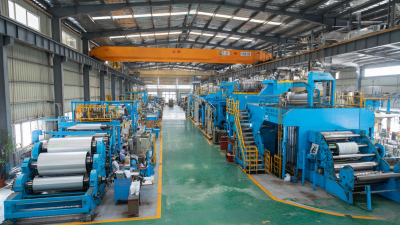
An offset press machine is a sophisticated piece of equipment widely used in the printing industry. Understanding its basic components is essential to grasping how it operates effectively. The primary elements of an offset press include the plate cylinder, blanket cylinder, and impression cylinder. The plate cylinder holds the image to be printed, typically created from a photopolymer or aluminum. The image on the plate is chemically treated to attract ink while repelling water, allowing for precise ink application during the printing process.

The blanket cylinder plays a crucial role by transferring the inked image from the plate to the substrate, which can be paper or another printing medium. It is covered with a soft rubber-like material that helps achieve high-quality prints with fine detail and smooth gradients. The impression cylinder then applies pressure to ensure proper contact between the blanket and the substrate, which is vital for achieving a clean and consistent print quality. According to industry reports, over 60% of all printed materials in commercial sectors utilize offset printing technology due to its efficiency and cost-effectiveness for high-volume runs, highlighting the value of these components in delivering exceptional results.

In addition to these components, an offset press machine is equipped with various auxiliary systems, such as ink delivery systems, dampening systems, and a feeder and delivery system. These elements work together to streamline the printing process, ensuring that the ink is evenly distributed and that the paper feeds smoothly through the machine. With advancements in technology, modern offset presses have incorporated automation and digital controls, further enhancing their performance and reducing setup times. The efficiency and effectiveness of these basic components play a significant role in maintaining the offset press machine's status as a stalwart in the printing industry.

How Offset Printing Works: The Printing Process Explained

Offset printing is a widely used printing technique that operates on the principle of transferring ink from a plate to a rubber blanket, and then onto the printing surface, typically paper. The process begins with the creation of a printing plate, which is often composed of aluminum. This plate is coated with a light-sensitive emulsion and exposed to light, where the areas that are meant to print become ink-receptive, while the non-printing areas remain ink-repellent. After developing the plate, it is mounted on the offset press.

During the printing process, ink and water are applied to the plate. The ink adheres only to the imaged areas of the plate, while the water keeps the non-imaged sections free from ink. The inked image is then transferred to the rubber blanket roller. This intermediary stage allows for a more flexible and clearer transfer of the image onto the substrate. As the paper feeds through the press, it comes in contact with the rubber blanket, resulting in the final print. This technique not only allows for high-quality prints but also efficiently manages bulk production, making it a popular choice for various printing tasks.

What is an Offset Press Machine and How Does It Work in Printing

Feature Description
Printing Method Indirect transfer of ink from a plate to a rubber blanket, then to the printing surface.
Common Uses High-quality prints for magazines, brochures, and books.
Print Quality High fidelity with sharp images and smooth color transitions.
Production Speed Fast production for large quantities, making it cost-effective.
Setup Time Relatively long setup time due to plate creation and calibration.
Types of Offset Press Sheet-fed, web-fed, and digital hybrid offset presses.
Environmental Impact Can be mitigated with eco-friendly inks and sustainable paper sources.

Types of Offset Press Machines and Their Applications

Offset press machines are a staple in the printing industry, renowned for their efficiency and quality in producing large volumes of printed materials. There are several types of offset press machines, each tailored for specific applications. The most common types include sheet-fed offset presses, web-fed offset presses, and digital offset presses.

Sheet-fed offset presses are ideal for shorter runs and provide high-quality prints with precise color matching, making them a favorite for commercial printing projects like brochures and flyers. According to industry reports, sheet-fed processes account for approximately 40% of the total offset printing market, largely due to their versatility and exceptional output quality. On the other hand, web-fed offset presses, which feed rolls of paper into the printing machine, are designed for high-speed production, significantly reducing printing costs, especially for newspapers and magazines. They represent about 30% of offset machine installations, owing to their capability to handle long print runs effectively.

Digital offset presses have gained traction in recent years, combining the benefits of digital printing with offset technology. They allow for quick turnarounds and customization, which aligns well with the current trends in short-run jobs and personalized printing. Market data indicates that the digital offset segment is growing rapidly, with a projected increase of 20% annually as more businesses seek nimble solutions to meet specific customer demands. Each type of offset machine plays a crucial role in the printing ecosystem, catering to varying needs across different market segments.

Advantages and Disadvantages of Using Offset Printing

Offset printingOffset printing is a widely adopted technique in the printing industry, offering several advantages that make it a preferred choice for many printing projects. One of the primary benefits is its high-quality output. The process allows for precise color reproduction and sharp images, which are essential for creating vibrant and eye-catching materials. Additionally, offset presses are capable of handling large volumes, making them ideal for mass production, such as printing books, magazines, and brochures. This efficiency not only speeds up the printing process but also reduces costs per unit, making it economically viable for large orders.

However, offset printing does come with its disadvantages. The initial setup costs can be relatively high, particularly for small runs, due to the need for specialized plates and machinery. This means that for lower volume projects, other methods like digital printing may be more cost-effective. Moreover, the process can be less flexible compared to digital printing, as adjustments to designs or colors after production has commenced can be time-consuming and expensive. These limitations can be a consideration for businesses that require rapid changes or shorter runs. Overall, while offset printing excels in quality and efficiency for large projects, its drawbacks can influence the choice of printing method depending on specific needs and budgets.

Maintenance and Troubleshooting for Offset Press Machines

What is an Offset Press Machine and How Does It Work in Printing

Maintaining an offset press machine is crucial to ensure optimal performance and longevity. Regular maintenance tasks include cleaning, lubrication, and alignment checks. The rollers, ink fountains, and blankets should be routinely inspected and cleaned to remove any buildup of ink or debris. This not only prevents contamination in the printing process but also enhances the quality of the prints produced. Additionally, lubrication of moving parts is essential to minimize wear and tear, reducing the potential for mechanical failures. It is also important to regularly check the alignment of the press components to ensure accurate registration during printing.

Troubleshooting common issues in offset press machines often involves identifying symptoms such as print quality problems, inconsistent ink distribution, or unusual noises during operation. Print quality issues can often be resolved by adjusting ink and water balance, checking blanket pressure, or replacing worn-out rollers. Inconsistent ink distribution may require a thorough examination of the ink system and the fountain solution. Noise or vibration during operation could indicate mechanical issues that need immediate attention; thus, operators should be trained to recognize these signs and respond promptly. Keeping a comprehensive maintenance log can also help in diagnosing recurring issues and maintaining overall press efficiency.

FAQS

: What are the main advantages of offset printing?

: The main advantages of offset printing include high-quality output with precise color reproduction and sharp images, the capability to handle large volumes for mass production, and reduced costs per unit for large orders.

How does offset printing compare to digital printing in terms of cost for small runs?

Offset printing typically has high initial setup costs, making it less cost-effective for small runs compared to digital printing, which may be a better option for lower volume projects.

What routine maintenance tasks are important for offset press machines?

Routine maintenance tasks for offset press machines include cleaning, lubrication, and alignment checks of components such as rollers, ink fountains, and blankets to ensure optimal performance.

What issues can arise during offset printing related to print quality?

Common print quality issues can include inconsistent ink distribution, problems with ink and water balance, blanket pressure issues, and worn-out rollers that may need adjustment or replacement.

How can operators troubleshoot unusual noises during offset press operation?

Unusual noises during operation may indicate mechanical issues. Operators should be trained to recognize these signs and investigate promptly to address underlying problems.

Why is it important to maintain a comprehensive maintenance log for offset press machines?

Keeping a comprehensive maintenance log helps in diagnosing recurring issues and maintaining overall press efficiency, enabling operators to track performance and necessary repairs.

Conclusion

An Offset Press Machine is a vital tool in the printing industry, utilizing an indirect printing process where the ink is transferred from a plate to a rubber blanket and then onto the printing surface. This method has evolved significantly since its inception, integrating advanced technology that has improved efficiency and print quality. The basic components of an Offset Press Machine include the plate cylinder, blanket cylinder, and impression cylinder, each playing a crucial role in the printing process.

The Offset Printing process involves several steps, including creating the image on a metal plate, inking the plate, and transferring the ink to a substrate. There are various types of Offset Press Machines, each tailored for specific applications, ranging from commercial printing to specialized tasks. While Offset Printing boasts numerous advantages, such as high image quality and cost-effectiveness for large runs, it also presents some disadvantages, including longer setup times. Proper maintenance and troubleshooting of the Offset Press Machine are essential to ensure optimal performance and longevity in a fast-paced printing environment.

Sophia

Sophia

Sophia is a dedicated marketing professional at Eureka Machinery, a leading integrated producer and exporter in the field of printing and packaging machinery since its founding in 2007. Her profound expertise in the industry enables her to effectively communicate the value and quality of the......
Previous Exploring Options for the Viena Seja Gofrētā Kartona Mašīna in Packaging Solutions