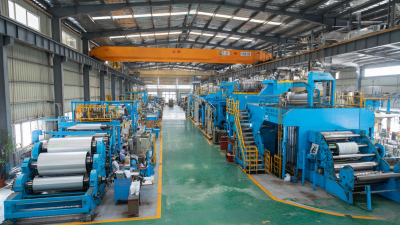
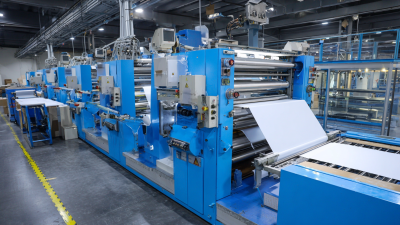
When you think about adhesives, it's pretty important to understand what people mean when they say 'Gluer.' Dr. Emily Carter, who's pretty much a boss in the field at Adhesive Technologies Inc., puts it simply: 'A gluer isn’t just a tool—it's really about how we bond materials together.' That kinda shows just how crucial glue really is across different industries.
Now, the term 'gluer' actually covers both the machine or tool itself and the act of applying glue. It’s a key player in manufacturing and all kinds of crafts. Honestly, many folks overlook how much finesse and attention to detail go into using glue correctly. Picking the right gluer can make all the difference when it comes to making stuff last.
Using a gluer properly isn’t just about pressing a button; it takes skill and a steady hand. When you know the right technique, the bond turns out way stronger. But if you mess it up or aren’t careful, it can lead to issues down the line. Gotta admit, understanding what a 'gluer' really means helps you see the craft behind it all. And hey, even small mistakes can snowball into big problems, so it's worth paying attention. Diving into this topic really gives you some solid insights—especially if you’re working with adhesives regularly.
The term "gluer" refers to an individual or device that applies adhesive substances. The usage is often context-specific. A gluer in industries may operate machines that bond surfaces together, like in paper or furniture manufacturing. When we look at the etymology, the word "gluer" derives from the Old English "glūe," meaning sticky substance. This origin hints at a long-standing relationship between glue and human innovation.
Understanding the role of a gluer opens up various applications. In artistic projects, a gluer might employ different types of adhesives for paper crafts. In construction, the gluer's skill ensures structural integrity. Each context requires a unique approach to adhesive application. Ensure to select the right type of glue for the material at hand.
Tips: Experiment with various adhesives to discover which best suits your needs. Be mindful of bond strength and drying time. Practice makes perfect when mastering adhesive techniques. A little trial and error often leads to better results. Don't rush; take your time to perfect your work.
Gluers play a crucial role in many industries. They are substances that bind materials together. Various types of gluers exist, each tailored for specific applications. In woodworking, for instance, a strong adhesive is essential for joining wooden pieces. This ensures furniture durability.
In the packaging industry, hot melt glues are widely used. They provide quick bonding for cardboard boxes. This type of glue sets rapidly, increasing production efficiency. However, sometimes the adhesion is not perfect. Conditions such as temperature and surface cleanliness impact effectiveness.
In electronics, specialized glues help secure delicate components. They must withstand heat and resist moisture. This presents challenges, especially in high-stress environments. It can be frustrating when glues fail, necessitating reflection on the selection process. Given the variety of gluers, understanding their unique properties is vital for effective use.
Gluer is a versatile tool found in many homes. It’s commonly used for arts and crafts, repairs, and general projects. With just a small amount, you can bond paper, wood, or even plastic. In kids' activities, gluer makes creating fun and engaging. Children can build models or art pieces without complex tools.
Everyday life relies on gluer more than one might think. For instance, it can fix that loose chair leg or help organize documents. DIY enthusiasts cherish it for its simplicity. Not all gluer works perfectly, though. Some types can be messy, leaving unwanted residue. Others might not hold under stress. It’s essential to choose carefully based on the task.
In the kitchen, gluer has its place too. People often use it to fix recipe cards or create labels. However, it's not always reliable for food-related tasks. Mistakes can happen, and gluer may not be the best option for that purpose. Balancing convenience with effectiveness is crucial when using a gluer in daily activities.
When comparing natural and synthetic gluers, it's essential to understand their distinct characteristics. Natural gluers typically come from organic materials like starch or animal by-products. They’re biodegradable and non-toxic, making them a popular choice for environmentally conscious projects. However, they may not always provide the strongest bond, especially in high-moisture environments.
On the other hand, synthetic gluers, derived from petrochemicals, offer superior strength and durability. Their resistance to water and heat makes them suitable for various applications, from crafting to construction. Yet, they can be harmful to the environment. The manufacturing process often involves complex chemicals that may produce hazardous waste.
**Tips:**
When using natural gluers, test a small area first. This will help you gauge adhesion capabilities. For synthetic options, ensure that the workspace is well-ventilated. Both types have their merits and drawbacks. Reflecting on the specific needs of your project can guide you in making the right choice. Balancing effectiveness and ecological impact requires careful consideration.
The term "gluer" often refers to a tool or mechanism used to bond materials together. Its applications span various industries, from crafting to construction. Understanding the benefits and limitations of gluer can help users maximize its potential.
One major benefit of using a gluer is its efficiency. It allows for quick bonding, saving time in both personal and professional projects. Additionally, gluing can be cleaner than other methods, like welding or using screws. This method often produces seamless results, enhancing aesthetics. However, there are limitations to consider. Over time, some adhesives may weaken, especially under extreme conditions. Environmental factors like heat or moisture can affect durability. Users also need to be cautious about the type of materials they bond together. Not all glues work well with all surfaces.
Moreover, while glue can be an effective bonding solution, it might not provide the same strength as mechanical fasteners. In high-stress applications, this could lead to failure. Users should reflect on the specific requirements of their projects to decide if a gluer is the best choice. Ultimately, being aware of these factors is crucial in achieving the desired results.
Handling glue can be hazardous if proper precautions are not taken. Many people underestimate the risks associated with gluing substances. The fumes can be harmful when inhaled. It’s essential to work in a well-ventilated area. Opening windows helps, but a fan improves air circulation significantly.
Wearing protective gear is advisable. Gloves keep adhesive off your skin. A mask can reduce inhalation of harmful particles. Sometimes, gloves do not fit well. You might need to adjust them to ensure a snug fit. Eyes can be sensitive too. Safety goggles provide an extra layer of protection.
Cleanup is another aspect that needs attention. Spills can happen, and they must be addressed immediately. Rubbing alcohol is effective for cleaning surfaces. Surfaces should be dry before the application of glue. Ignoring these basic steps can lead to mishaps. Involving children in gluing projects can enhance their creativity but requires extra vigilance. Always supervise them closely.
The field of gluing technology is rapidly evolving. Innovations are emerging that enhance bonding strength and durability. These advancements often focus on eco-friendly materials. As industries become more sustainable, bio-based adhesives are gaining traction. They offer significant benefits without harmful chemicals.
Future trends may include smart adhesives that respond to environmental changes. Imagine glues that change properties based on temperature or humidity. This adaptability could revolutionize construction and packaging. However, challenges remain in ensuring reliability and efficacy. The need for thorough testing cannot be overlooked.
In terms of design, ease of application is key. New applicator technologies can improve efficiency. However, some designs may lack user-friendliness. It’s essential to consider how end-users interact with these innovations. Overall, the future of gluing technology is bright, yet plenty of areas require careful thought and improvement.
| Application | Type of Glue | Advantages | Future Trends |
|---|---|---|---|
| Construction | Polyurethane | High durability and moisture resistance | Increased use of eco-friendly materials |
| Packaging | Hot Melt Adhesive | Fast curing time and ease of use | Automation in gluing processes |
| Automotive | Epoxy | Strong bond and heat resistance | Use of lightweight materials |
| Electronics | Conductive Adhesives | Electrical conductivity and thermal stability | Development of smart adhesives |
| Furniture | PVA (Polyvinyl Acetate) | Safe and user-friendly | Rise of DIY gluing solutions |
: The article aims to provide useful information on a specific topic.
The content is directed toward individuals interested in related issues.
While the information appears reliable, it’s essential to verify with other sources.
Yes, possible biases may exist based on the perspective of the writer.
You can implement the tips and suggestions to improve your situation.
Reflect on your specific circumstances and consider additional viewpoints.
Some points are supported by studies, but not all claims are scientifically validated.
Yes, sharing can be beneficial, but ensure you cite the source properly.
It’s normal to find different perspectives; weigh the evidence before concluding.
Look for gaps in the details or contradictions that might not be clear.
The term "Gluer" refers to a variety of adhesive substances used across many industries and everyday applications. It encompasses both natural and synthetic adhesives that serve diverse functions, from woodworking to paper products. The evolution of gluers can be traced through their etymology, highlighting how their meanings and applications have expanded over time.
In exploring the common uses of gluer, it is clear that these substances play a pivotal role in various sectors, enhancing productivity and efficiency. However, there are benefits and limitations associated with their use, such as the strength of the bond versus environmental impact. Safety precautions are essential to ensure safe handling of gluers, and ongoing innovations in gluing technology promise to improve performance and sustainability in the future. Overall, understanding "Gluer meaning" is crucial for selecting the appropriate adhesive for any task while staying mindful of safety and industry trends.