


Picking out a varnish coating machine really boils down to understanding what you actually need. I mean, every project has its quirks, right? Some require specific machines, and let’s be honest, not all brands or models are created equal—there’s a pretty big difference in quality out there.
A lot of folks tend to overlook the details that matter, and that’s where things can go sideways. Not all machines will give you that perfect finish; some might have trouble with thicker coatings, and others just aren’t precise enough. Doing a bit of homework before you buy can really save you headaches later on.
It’s also worth checking out brands like Graco and Wagner—they’ve got quite a reputation for sturdy, reliable equipment. Still, it’s smart to read reviews from real owners to get the scoop on how they perform in everyday use. That way, you’re not just going in blind. Upgrading or investing in a varnish coating machine is a big deal, so make sure it’s a good match for what you’re aiming for — don’t just go with the flow, ya know?

Understanding Varnish Coating Machines: Key Features and Functions
Varnish coating machines play a crucial role in various industries. They ensure that wooden surfaces receive an even and durable finish. When selecting a machine, key features must be considered. These include speed, coating thickness, and adjustability. A high-speed machine may increase productivity but can compromise coating quality.
Another important aspect is the ease of operation. A user-friendly interface can save time during setup. Additionally, machines that offer automatic adjustments can adapt to different materials. However, relying solely on automation may result in oversights. Understanding how to adjust settings manually is crucial for achieving the desired finish.
Maintenance is also a factor. Regular cleaning and part replacement prolong machine life. Some operators underestimate the impact of neglect. Proper care can prevent costly repairs and downtime. It's essential to balance automated features with hands-on inspections. This blend of technology and craftsmanship ultimately leads to the best results.
Exploring the Impact of High-Speed UV Coating Technologies on Print Quality and Production Efficiency: Insights from Recent Industry Reports
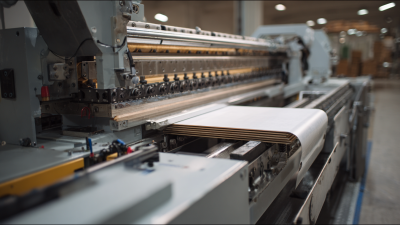
High-speed UV coating technologies have revolutionized the printing industry by significantly enhancing print quality and production efficiency. Recent industry reports highlight how these advancements not only improve the aesthetic appeal of printed materials but also contribute to longevity and durability. The introduction of high-speed UV coating machines allows for a maximum sheet size of 1100*1450mm and accommodates various sheet thicknesses ranging from 128 to 600gsm, making it versatile for diverse printing needs.
One of the key features of modern UV coating equipment is the impressive coating speeds, with capabilities reaching up to 6000 sheets per hour, and even 8000 sheets per hour for professional-grade models. This rapid output boosts productivity, enabling businesses to meet tight deadlines without compromising quality. Additionally, the integration of two infrared and one UV dryer ensures quick curing times, further enhancing workflow efficiency. The inclusion of an anilox roller and an accurate register system allows for precise application in both spot and overall UV coating, ensuring that every print meets high standards for clarity and finish, which is essential in today’s competitive market.

FAQS
: Consider speed, coating thickness, and adjustability. Each feature impacts productivity and finish quality.
Automatic machines handle large volumes efficiently. Manual machines are cost-effective but labor-intensive for small jobs.
A user-friendly interface saves setup time. However, don’t rely solely on automation; manual adjustments are key.
Regular cleaning and part replacement extend machine life. Neglecting this can lead to costly repairs and downtime.
Focus on speed and efficiency. High-speed machines can increase productivity but may compromise quality.
Choose machines designed to minimize overspray. This leads to cost savings and a cleaner workspace.
Underestimating production needs can cause bottlenecks. Assess your volume carefully before investing.
Yes, their insights on workflow can help identify efficiency improvements. It promotes a balanced work environment.
Schedule routine checks. Ignoring maintenance can lead to decreased efficiency and unexpected downtimes.
Test machines with various materials and document results. Finding the right balance is crucial for quality.
Conclusion
In the quest to select the best varnish coating machine for specific needs, it's crucial to understand the key features and functions that these machines offer. Various types of varnish coating machines cater to different applications, highlighting the importance of evaluating performance metrics such as speed and efficiency. Additionally, selecting the appropriate varnish based on its types and properties is essential for optimal results.
Budget considerations play a pivotal role in the investment process, necessitating a thorough cost analysis to ensure that the chosen varnish coating machine aligns with financial capabilities. Maintenance and durability are also critical factors, as proper upkeep can significantly extend the lifespan of the equipment. Finally, staying informed about industry trends and innovations in varnish coating technology can further enhance the decision-making process, ensuring that users make informed choices that meet their production needs.
Related Posts
-

Top Digital Cutter Machines to Boost Your Printing Business Efficiency
-

Top Paper Cutters for 2026 Which One Should You Choose?
-

Why Choose the Best Cups Making Machine for Your Business?
-
How to Optimize the Performance of Your Vega Folder Gluer
-

2026 Best Automatic Box Folder Reviews and Buying Guide?
-

Top 10 Cups Making Machines in China for Global Buyers?
