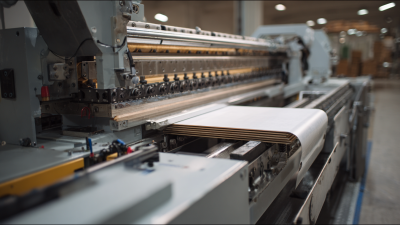
The Automatic Folder Gluer is pretty much a must-have in the packaging world. It really boosts efficiency when it comes to making folded cartons. What’s cool is that it automates the whole process, saving both time and labor costs — which, let’s be honest, every company wants. Big names like Heidelberg and Bobst are out there making some seriously advanced models. These machines can fold, glue, and put together cartons super quickly and accurately.
That said, not all Automatic Folder Gluers are top-notch. Some might be a bit inconsistent with gluing or just not as reliable as you'd hope. So, it’s really important for businesses to pick the right equipment — investing in good quality machinery can make a huge difference in production results. But hey, technology isn’t perfect, right? Regular maintenance is a must to keep things running smoothly and avoid those nasty surprises like breakdowns. In the end, how well an Automatic Folder Gluer works really depends not just on the machine itself, but also on how skilled the operator is. It’s a combo deal — good equipment plus a good operator, and you’re set.
An automatic folder gluer is a specialized piece of equipment used in the packaging and printing industries. Its primary purpose is to fold and glue cardboard boxes efficiently and accurately. According to the Smithers Pira report, the global market for automatic folder gluers is expected to grow significantly, driven by the demand for efficient packaging solutions. This growth highlights the importance of automation in enhancing productivity and reducing labor costs.
Automatic folder gluers work by folding pre-scored cardboard sheets into specific shapes. The machine uses adjustable settings to accommodate different box designs. This flexibility allows manufacturers to produce a variety of box styles quickly. Reports indicate that these machines can achieve production speeds of up to 300 meters per minute. However, the challenge lies in ensuring consistent quality. A minor adjustment or error can lead to misaligned folds or inadequate glue adhesion, requiring constant monitoring.
Despite their advantages, there are limitations to consider. Maintenance is crucial, as wear and tear can affect performance. Many operators find the learning curve steep when adjusting settings for new designs. Additionally, the initial investment can be significant. While the efficiency gains can offset these costs, companies must weigh their options carefully. The future of automatic folder gluers seems promising, yet there remain variables to address for optimal functionality.
An automatic folder gluer is essential in the packaging industry. It streamlines the folding and gluing processes, enhancing efficiency. Key components of this machine include the feeder, folder, and gluing system.
The feeder plays a vital role. It ensures sheets are smoothly delivered to the folder area. A well-calibrated feeder prevents jams. Regular adjustments can improve performance.
Next is the folder. It accurately creases and folds the sheets into the desired shapes. An effective folder can create intricate designs. However, irregular settings may lead to misalignment. This can waste materials and time.
Then comes the gluing system. It applies adhesive precisely where needed. Consistency in glue application is crucial. Too much glue can cause issues during packaging. Regular maintenance helps maintain optimal function.
Tips: Always monitor the machine's speed. If it’s too fast, quality may drop. Regular training for operators is a smart move. This boosts efficiency and reduces errors.
Automatic folder gluers serve a vital role in the packaging industry. They efficiently fold and glue boxes for various products. Understanding how they operate can be enlightening.
The process begins with feeding flat sheets into the machine. These sheets are typically made of paperboard or corrugated materials. As the sheets move through the machine, they pass through several rollers. These rollers fold the edges in precise angles. Next, a glue application system adheres the folded sections together. This step ensures that the boxes hold their shape during transport.
One aspect to consider is the speed of the operation. While automatic folder gluers are fast, they can sometimes struggle with varied sheet sizes. This inconsistency can lead to waste. Operators must frequently monitor the machine’s performance. Adjustments are required for different materials and designs, adding an element of complexity. Proper training is essential for staff, as it affects overall efficiency.
Automatic folder gluers are essential machines in the packaging industry. They streamline the process of folding and gluing boxes and cartons. Different types cater to various needs. Each type operates uniquely to improve efficiency and reduce labor costs.
One common type is the straight-line folder gluer. It folds and glues boxes in a straight pattern. This is ideal for standard box designs. The process is fast and requires minimal setup. Another type is the crash lock bottom folder gluer. This model creates a secure bottom for boxes. It is perfect for products needing extra stability.
There are also specialized gluers for unique shapes. They handle complicated designs. However, these may require more maintenance. Not all machines are perfect for every task. Some users face challenges with complex setups or troubleshooting. Each type has strengths and weaknesses. It’s crucial to evaluate needs carefully before choosing a machine.
This chart illustrates the market share of different types of automatic folder gluers in the industry, reflecting their popularity and usage in modern packaging.
Automatic folder gluers have revolutionized production efficiency in packaging. These machines are designed to fold and glue boxes automatically, significantly reducing manual labor. By utilizing advanced technology, they streamline the packaging process. This leads to faster turnaround times. Businesses can keep up with high demand more effectively.
One major advantage is the precision they offer. Automatic folder gluers ensure consistent gluing and folding. This reduces errors associated with manual processes. However, they can sometimes misalign materials, causing wasted resources. Regular maintenance is crucial to avoid such issues. Despite these challenges, the benefits often outweigh the drawbacks.
Another benefit is the flexibility in production. These machines can accommodate various box styles and sizes. This adaptability meets diverse market needs. There's still room for improvement in user interface and programming. Some operators may find the setup complicated. Ongoing training can help bridge this gap, ensuring optimal operation and minimizing downtime.
Automatic folder gluers are vital in the packaging industry. They streamline the process of assembling boxes and cartons. These machines are efficient, capable of handling a variety of materials and sizes. They significantly reduce labor costs and increase production speed.
Common applications for automatic folder gluers include packaging for food products, cosmetics, and pharmaceuticals. Reports indicate that the global packaging machinery market is expected to grow annually by 5.5% through 2027. This growth reflects the increasing demand for efficient packaging solutions. The automatic folder gluer plays a crucial role in meeting this demand.
However, the integration of these machines is not without challenges. Maintenance can be complex, requiring specialized knowledge. Also, initial setup costs may deter some businesses. Nevertheless, many industries recognize the long-term benefits of automation. Ultimately, continuous improvements in technology aim to enhance efficiency and reduce errors. This evolution in packaging machinery is reflective of broader trends within the sector.
Automatic folder gluers play a critical role in packaging and production. To maintain their efficiency, regular upkeep is essential. Misalignment of components can lead to improper gluing or wasted materials. This is where maintenance steps become vital.
It’s important to regularly inspect the glue applicators. If they get clogged, the flow of glue may become inconsistent. Clean them often. Check for any wear and tear in the belts and motors. Damaged parts can cause downtime, which impacts productivity.
Here are some tips to consider. Always keep a maintenance log. This helps track routines and identify patterns. Monitoring performance is key to preventing breakdowns. Also, ensure that operators are trained to troubleshoot minor issues. A quick fix can save significant time and resources. If problems persist, seek professional assistance. Ignoring these could lead to larger problems down the line.
Lastly, always use the recommended glue types. Using subpar materials can result in poor adhesion. Regularly revisit your setup and processes. Small adjustments can lead to substantial improvements.
In the competitive landscape of modern printing technology, achieving exceptional efficiency is pivotal. The JB-106AS servo motor controlled automatic stop cylinder screen press exemplifies this principle, offering remarkable automation and precision for a variety of printing applications. Providing an efficient operation, this machine is designed to meet the rigorous demands of industries like electronics, textiles, and advertising. According to industry reports, automating printing processes can significantly reduce production time by up to 30% while enhancing accuracy and consistency.
The ETS-1060 Full Automatic Stop Cylinder Screen Press is a testament to the advantages of adopting stop cylinder technology. With features such as precise paper positioning and high-speed operation, it is ideal for printing on diverse substrates, including ceramics and glass. The combination of low noise and high degrees of automatization not only improves user experience but also contributes to environmental sustainability by minimizing waste. Industry studies suggest that enhanced automation in screen printing can lead to lower operational costs, making it an attractive option for businesses looking to maximize productivity and profit margins.
Further supporting this trend, recent data indicate a growing demand for high-speed and efficient printing solutions across global markets. As companies continue to invest in advanced technologies, the importance of reliable and efficient systems, like those offered by modern stop cylinder presses, cannot be overstated. These machines play a vital role in advancing production capabilities and adapting to the fast-paced needs of today’s consumers.
: The articles discuss various aspects of mental health awareness and self-care practices.
It helps reduce stigma. People feel safer to discuss their struggles and seek help.
Engaging in self-care regularly can boost mood and increase resilience to stress.
Simple activities like journaling, taking walks, or enjoying a favorite hobby can be effective.
Take a break. Engage in deep breathing and acknowledge your feelings without judgment.
Noticeable changes in mood, sleep, or appetite may signal a need for professional support.
Being an active listener and showing empathy can make a significant difference.
Yes, what works for one person may not suit another. Personalize your approach.
It can be hard to prioritize self-care. Reflect on what holds you back.
They might experience burnout, increased anxiety, and even physical health issues.
An Automatic Folder Gluer is a specialized machine designed for efficiently folding and gluing paperboard products in the packaging industry. Its primary purpose is to streamline the production process by ensuring consistent and high-quality assembly of boxes and cartons. Key components include a feeder, folder, gluing station, and delivery system, all of which work together to automate the folding and gluing steps.
The operation of an Automatic Folder Gluer follows a systematic process where sheets are fed into the machine, folded into the desired shape, and glued securely before being delivered for further handling. Various types of these machines cater to different production needs, offering advantages such as increased speed, precision, and reduced labor costs. Common applications include packaging for consumer goods, pharmaceuticals, and food products. Routine maintenance and troubleshooting are essential to ensure optimal performance and longevity of these machines, solidifying their role as indispensable tools in modern production lines.