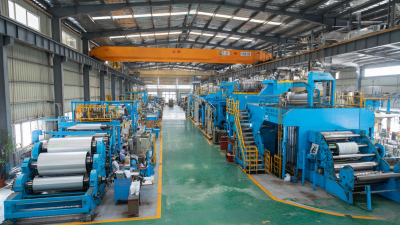
In the fast-changing world of printing and packaging equipment, the fluting machine really stands out as a game-changer, boosting both efficiency and quality. Industry expert John Smith, who's well-known in the packaging tech scene, once said, "The new designs for fluting machines don’t just make production smoother—they also help meet the rising demand for eco-friendly packaging." As 2025 approaches, it's pretty clear that staying up-to-date with the latest in fluting machine tech is pretty much essential for anyone looking to keep their edge in the market.
Here at SHANGHAI EUREKA MACHINERY IMP. & EXP. CO., LTD, we've been riding the wave of these innovations since we started back in 2007. Known as a top-tier manufacturer and exporter in the printing and packaging world, we've built a solid global presence—serving 88 countries across Europe, Asia, and Africa. Our goal is to merge the newest technology with solid best practices, helping our clients tap into the full potential of their fluting machines and really succeed out there.
Looking ahead to the next few years, understanding and applying the latest advancements in fluting machines is going to be a huge deal for businesses wanting to stay competitive. Jump on these changes now, and you'll be laying down a strong foundation for long-term success in this ever-evolving industry.
The fluting machine technology is rapidly evolving, and emerging trends for 2025 highlight several innovative approaches aimed at enhancing efficiency and productivity in corrugated box production. One significant trend is the increasing adoption of automation technologies, which streamline processes and reduce labor costs. Fully automatic fluting machines are gaining traction for their ability to maintain consistent quality and high throughput, making them an attractive option for manufacturers looking to scale operations.
In addition to automation, advancements in machine connectivity are becoming crucial. As the Internet of Things (IoT) becomes more integrated into manufacturing, fluting machines are being equipped with smart features that allow real-time monitoring and predictive maintenance. These capabilities not only improve operational efficiency but also minimize downtime, ensuring that production schedules are met. As the industry shifts towards sustainability, innovations in eco-friendly materials and energy-efficient machines are also making a significant impact, reinforcing the need for manufacturers to adapt to these advancements to stay competitive in the market.
When considering the best fluting machines for 2025, it's essential to focus on key features that drive efficiency and quality. According to a recent market analysis by Research and Markets, the global fluting machine market is expected to grow at a CAGR of 7.5% from 2022 to 2027. This growth is largely attributed to advancements in technology, leading to machines that offer enhanced precision and reduced waste. Key innovations include automated control systems that allow for intricate adjustments and high-speed operation, which are essential for meeting the demands of modern manufacturing.
Another critical aspect to examine is the machine's versatility and ease of use. Today's best fluting machines often incorporate smart technology, such as IoT connectivity, enabling real-time monitoring of processes and condition-based maintenance. A study by Industry Insights highlights that manufacturers employing these technologies can reduce downtime by up to 30%, significantly increasing productivity. Additionally, energy-efficient models are gaining traction, as they not only lower operational costs but also align with sustainability initiatives that are becoming paramount in many industries.
Innovative materials play a pivotal role in enhancing the performance of fluting machines in 2025. One of the most significant advancements is the use of high-performance composites that provide improved durability and resistance to wear. These materials not only prolong the lifespan of the machine components but also allow for faster production rates, ensuring cost-efficiency. By integrating advanced composites into the design of fluting rolls and other critical parts, manufacturers can achieve superior precision, resulting in higher quality output that meets the rigorous demands of the packaging industry.
Another breakthrough involves the application of smart materials that can adapt to varying production conditions. For example, temperature-responsive polymers can adjust their properties based on the thermal environment within the machine. This innovation allows for better thermal management during operations, reducing the risk of overheating and enhancing overall performance. Emphasizing the adoption of such innovative materials will empower companies to stay competitive in the rapidly evolving market, ultimately driving the success of fluting machine technologies.
The maintenance and longevity of fluting machines are crucial for maximizing productivity and ensuring consistent quality in manufacturing. Regular inspections should be at the forefront of a maintenance strategy, involving thorough checks of critical components such as rollers, bearings, and drive belts. A disciplined schedule for lubrication and part replacements can significantly reduce wear and tear, preventing unexpected downtime and costly repairs.
Another best practice involves training operators on the proper use and handling of fluting machines. Educating the workforce about the machine's features and operational limits fosters a culture of care and responsibility. Operators should be encouraged to report any irregular sounds or performance issues promptly, allowing for early intervention. Moreover, maintaining a clean working environment around the machines not only enhances safety but also minimizes the risk of contamination and mechanical failures, thereby extending the lifespan of the equipment.
In the rapidly evolving field of fluting machines, innovative approaches are reshaping the landscape and setting benchmarks for success. Case studies illustrate the transformative impact of these innovations, particularly how companies are leveraging technology to enhance their operations. For instance, one prominent innovator successfully integrated advanced machine learning techniques that not only improved the efficiency of their machines but also enhanced the quality of the fluted products. By focusing on data-driven decision-making, these companies have been able to optimize performance and reduce wastage, thereby increasing their overall profitability.
Furthermore, as machine learning continues to develop, practitioners must remain cognizant of the ethical implications associated with its application. Recent advancements highlight the need for privacy-preserving techniques in deploying machine learning models. Successful innovators in the fluting machine sector are now embracing these principles, ensuring that data security is not compromised while maintaining the effectiveness of their systems. This balance of innovation and ethical considerations exemplifies best practices for future success in the fluting industry, positioning these companies as leaders amidst the challenges of modern manufacturing.
| Innovation | Description | Best Practice | Case Study Highlights |
|---|---|---|---|
| Smart Automation | Integration of AI and machine learning for real-time adjustments. | Regularly update software algorithms based on production data. | Implemented in a facility, resulted in a 25% increase in throughput. |
| Energy Efficiency | Machines optimized for lower power consumption. | Conduct energy audits to identify savings opportunities. | Cut energy costs by 30% in one year. |
| Modular Design | Easy-to-upgrade machine components for scalability. | Plan for future expansion when designing production lines. | Enabled rapid adaptation to market changes. |
| User-Friendly Interfaces | Intuitive control panels for easier operation. | Provide comprehensive training for all operators. | Reduced training time by 40% and increased operator satisfaction. |
| Predictive Maintenance | Using IoT for monitoring machine health and predicting failures. | Implement regular monitoring to prevent downtime. | Decreased unplanned downtime by 50%. |
In today’s fast-paced manufacturing landscape, integrating fluting machines into production systems is paramount for enhancing efficiency. Recent developments, such as the Army’s near quadrupling of its monthly production of artillery projectiles, highlight the necessity for streamlined operations. This aligns with industry reports indicating that companies adopting integrated manufacturing systems can see productivity improvements of up to 30% and significant reductions in production bottlenecks.
Moreover, advancements in artificial intelligence are reshaping operations management within manufacturing. AI technologies enable seamless integration of production processes, allowing for predictive maintenance and real-time monitoring. Reports suggest that manufacturers utilizing AI have experienced a decrease in operational costs by 20% to 25%, facilitating faster time-to-market through enhanced precision and efficiency. By harnessing such innovations, manufacturers can better navigate the complexities of modern production while maximizing the potential of fluting machines in their operations.
: A significant trend is the increasing adoption of automation technologies, which streamline processes and reduce labor costs, particularly with fully automatic fluting machines that maintain consistent quality and high throughput.
IoT integration allows fluting machines to have smart features for real-time monitoring and predictive maintenance, which improves operational efficiency and minimizes downtime.
Innovations in eco-friendly materials and energy-efficient machines are becoming increasingly important, aligning with sustainability initiatives and helping manufacturers maintain competitiveness.
Key features to consider include automated control systems for precision, high-speed operation capabilities, versatility, ease of use, and energy efficiency.
Manufacturers employing smart technology in fluting machines can reduce downtime by up to 30%, significantly enhancing productivity.
High-performance composites and smart materials, such as temperature-responsive polymers, are improving durability, resistance to wear, and allowing better thermal management during operations.
The global fluting machine market is expected to grow at a CAGR of 7.5% from 2022 to 2027, driven by advancements in technology that enhance precision and reduce waste.
High-performance composites prolong the lifespan of machine components and enable faster production rates, ensuring cost efficiency and higher quality outputs.
The adoption of innovative materials allows companies to enhance machine performance and adapt to varying production conditions, which is essential for staying competitive in a rapidly evolving market.
Energy-efficient models lower operational costs and support sustainability initiatives, making them increasingly attractive in the manufacturing industry.
The article "2025 Top Fluting Machine Innovations and Best Practices for Success" delves into the latest advancements in fluting machine technology, highlighting emerging trends that are set to redefine the industry in 2025. Key features to consider when selecting the best fluting machines include enhanced performance capabilities and innovative materials that promise to improve efficiency and output. Additionally, best practices for maintenance are discussed to ensure longevity and optimal performance of these machines.
Case studies illustrate successful implementations by innovators in the field, offering valuable insights for manufacturers. Furthermore, the integration of fluting machines within larger manufacturing systems is emphasized as a means to streamline production processes. With a solid reputation established by SHANGHAI EUREKA MACHINERY IMP. & EXP. CO., LTD in providing high-quality printing and packaging machinery, the insights shared in this article will be invaluable to those seeking to stay ahead in the evolving landscape of fluting machine technology.